Does a Small Business Really Need a Content Management System?
Author: Chris Budzban
Posted on: December 31, 2025
When building a website, many small business owners assume a content management system (CMS) is required. Platforms like WordPress, Wix, and Squarespace are often seen as the default choice.
But here’s the truth: not every small business actually needs a CMS — and in many cases, skipping one can result in a faster, more reliable website.
Let’s break down when a CMS makes sense, when it doesn’t, and why CMS-free websites can offer major performance benefits.
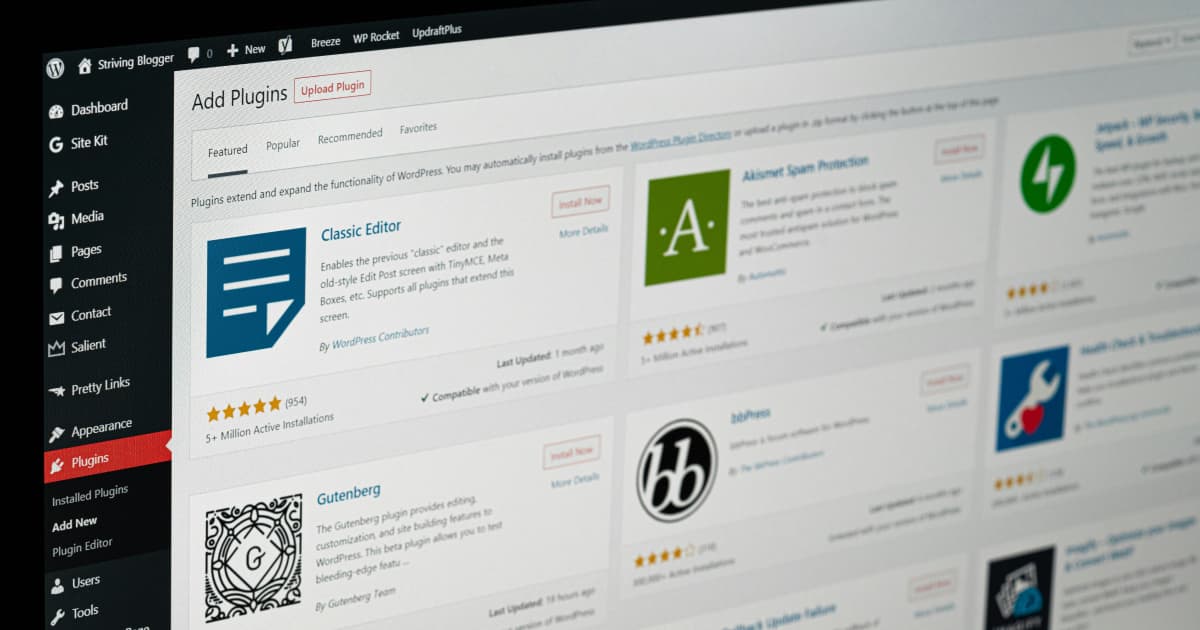
What Is a Content Management System?
A CMS is software that allows you to:
- Edit website content without touching code
- Add pages or blog posts through an admin interface
- Manage media, plugins, and themes
WordPress is the most common example, but many site builders fall into this category.
For content-heavy sites, a CMS can be incredibly useful. But for many small businesses, it may be more than they actually need.
When a CMS Does Make Sense
A CMS can be the right choice if your business:
- Publishes blog posts or articles regularly
- Has multiple team members updating content
- Needs frequent page changes or promotions
- Relies on plugins or integrations for daily operations
In these cases, the convenience of editing content internally often outweighs the tradeoffs.
When a CMS Might Be Overkill
Many small business websites are relatively simple. If your site:
- Has 5–15 core pages (Home, About, Services, Contact)
- Changes content infrequently
- Doesn’t require user accounts or complex functionality
- Prioritizes speed, security, and reliability
…then a CMS may be unnecessary.
For these sites, a CMS can introduce extra complexity, performance overhead, and maintenance requirements without providing much real value.
Why Not Using a CMS Can Make Your Website Faster
Speed matters — for SEO, user experience, and conversions. CMS platforms often slow websites down because they rely on:
- Server-side rendering
- Database queries on every page load
- Heavy themes and plugins
- Admin interfaces that load even when visitors don’t need them
A CMS-free website (often built using static site generation or lightweight frameworks) avoids these issues.
Performance Benefits of CMS-Free Sites
- No database queries on page load
- Fewer server requests
- Smaller file sizes
- Better caching
- Improved Core Web Vitals
The result is a site that loads faster, feels snappier, and performs better on mobile and slow connections.
Security and Maintenance Advantages
CMS platforms require:
- Regular updates
- Plugin maintenance
- Security monitoring
- Backups
Without a CMS:
- There’s no admin panel to attack
- No plugins to exploit
- Fewer updates and fewer things that can break
This makes CMS-free sites more stable and secure over time — especially for small businesses that don’t want to deal with ongoing technical maintenance.
But What About Editing Content?
A common concern is, “What if I need to update my site?”
There are modern alternatives:
- Content can still be managed through structured files
- Changes can be handled quickly by a developer
- Hybrid approaches allow limited CMS features without full overhead
For many businesses, content updates are infrequent enough that the speed and reliability benefits far outweigh the need for constant self-editing.
How Feldspar Creative Helps
At Feldspar Creative, we don’t believe in one-size-fits-all solutions.
We help small businesses:
- Decide whether a CMS is truly necessary
- Build lightning-fast websites without unnecessary bloat
- Use modern frameworks that prioritize performance and SEO
- Choose hybrid solutions when limited content management is needed
Whether that means a full CMS, a lightweight setup, or no CMS at all — the goal is always the same: a fast, effective website that supports your business goals.
Final Thoughts
A content management system can be a powerful tool — but it’s not always the right tool.
For many small businesses, skipping a traditional CMS can lead to:
- Faster load times
- Better SEO
- Fewer security concerns
- Lower long-term maintenance costs
The best website is the one that fits your business — not the one that follows assumptions.
If you’re unsure whether your site really needs a CMS, Feldspar Creative can help you make the right call.
👉 Get in touch to talk through your options.